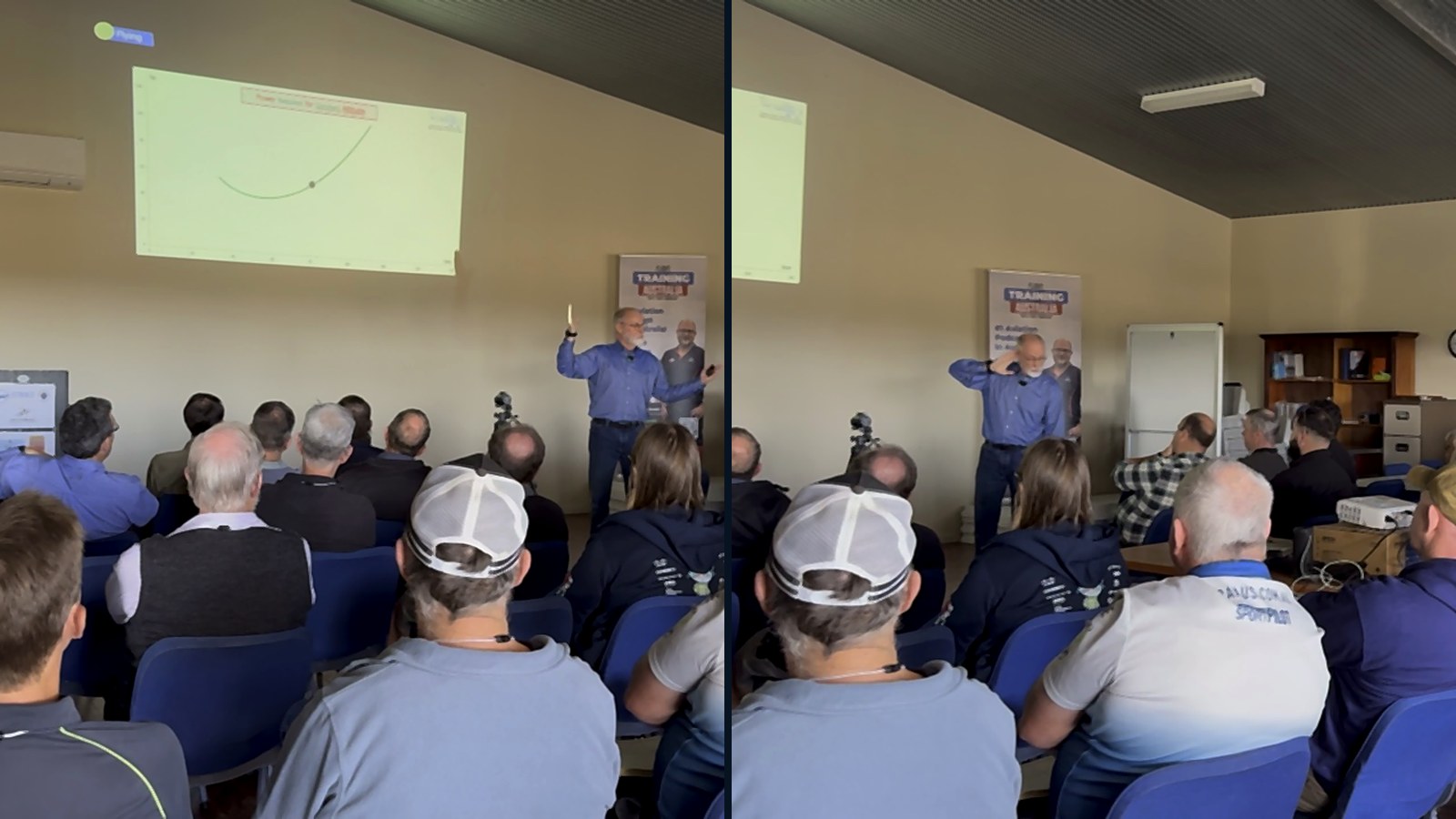
At Caboolture Aero Club, north of Brisbane, pilots and instructors are spending today on a single subject: upset prevention and recovery training, or UPRT.
The conference has been convened by Paul Strike of Strike Aviation Training, with American instructor Rich Stowell as its guest. It does not end this afternoon. A weekend training clinic follows, with one-on-one coaching in the air, and a two-day industry forum opens at Caboolture Aerodrome on Monday under the banner Creating Better Pilots.
PilotTrain is a sponsor. This is why.
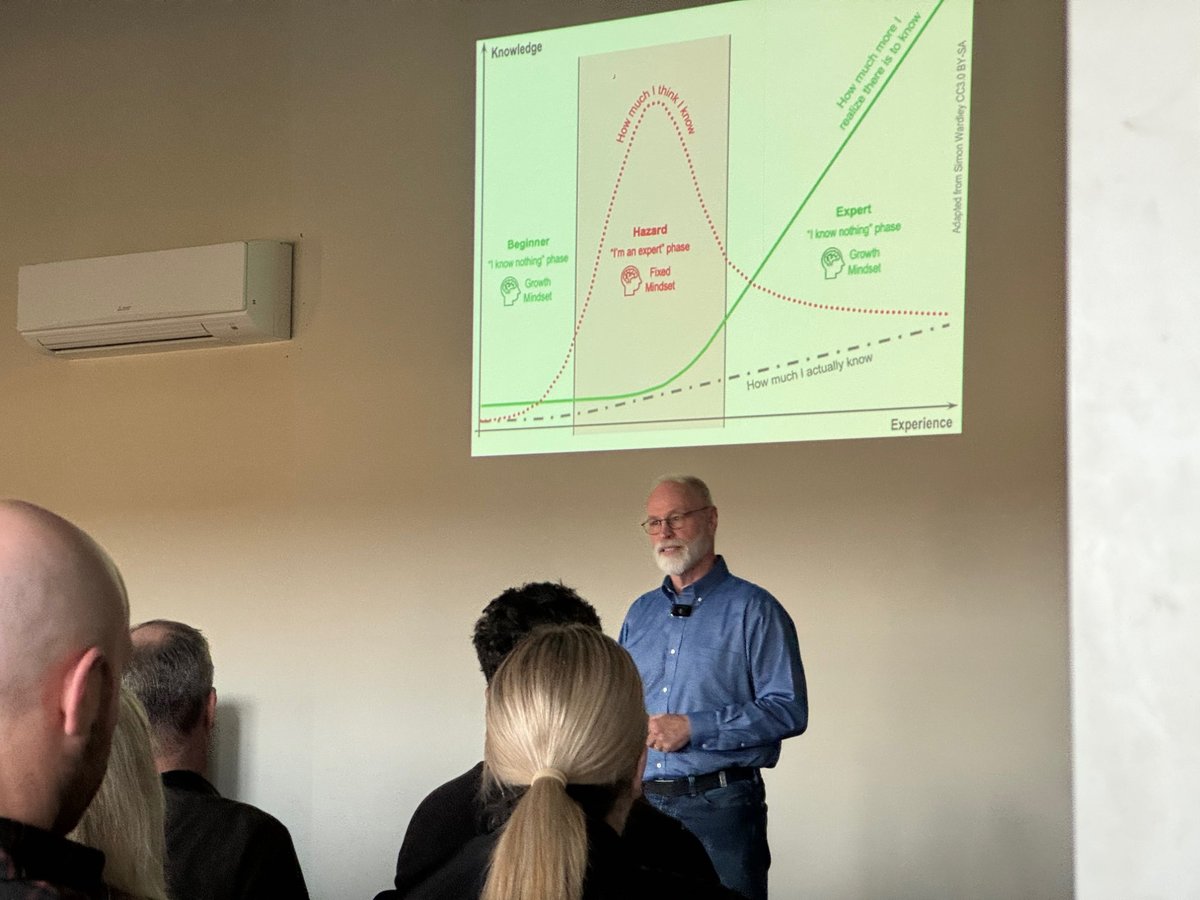
The problem that has not moved
Loss of control in flight is consistently among the leading causes of fatal accidents in general aviation. It is also one of the oldest. Strike has made the point that it has been with aviation since before powered flight, and that the numbers have barely shifted.
Aircraft have improved. Avionics have improved a great deal. The accident that begins with an unexpected attitude at low level, and ends before the pilot has worked out what is happening, is still with us.
Startle, surprise and the first few seconds
An upset rarely announces itself. Startle is the body’s reflex to a sudden event. Surprise is the mind catching up with something it did not expect. Together they can cost a pilot the seconds that matter, or prompt exactly the wrong input: pulling back when the aeroplane needs the opposite.
Training cannot switch startle off. What it can do is give a pilot something practised to fall back on while the thinking part of the brain catches up.
That is what UPRT is for, and it is worth being clear about what it is not. It is not aerobatics. It is about recognising when an aircraft is heading somewhere it should not, preventing that where possible, and recovering when prevention has failed.
It starts with instructors
The conference is aimed squarely at the people who teach. A student can only be taught what their instructor is confident to teach, and the conference was called to address how little UPRT instruction is available in Australia.
So the program is about instructor training and competency, about clear and consistent ways of teaching recovery, and about how UPRT might be built into the training syllabus.
Why PilotTrain is involved
PilotTrain’s work is theory, and prevention begins there. A pilot who understands angle of attack, who knows why a wing drops and what the rudder is for when it does, is ahead before the aircraft has left the ground. It is why PilotTrain published the Australian edition of Stowell’s Stall/Spin Awareness earlier this year.
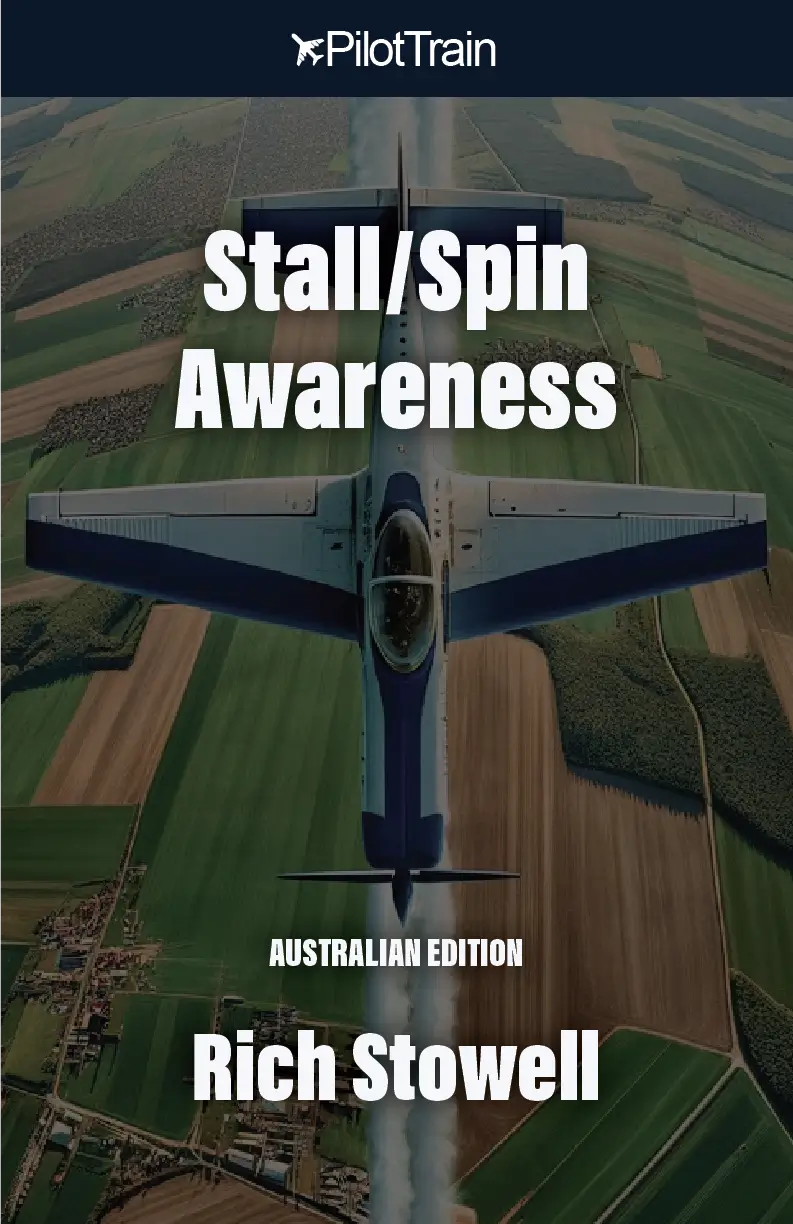
Understanding it on paper is half of it. The other half is taught in the air, by instructors, and this conference exists to help them teach it well. Supporting that was an easy decision.
The days ahead
Over the weekend Stowell will coach pilots one at a time in the aircraft. On Monday and Tuesday the industry forum takes up the wider question in its title: how to create better pilots.
Thanks to Paul Strike and Strike Aviation Training for making this happen, and for hosting.
Put it into practice
Full-length practice exams with an explanation on every question, and SmartKDR to tell you what to study next. From $8.33 a month.
More from Editorial
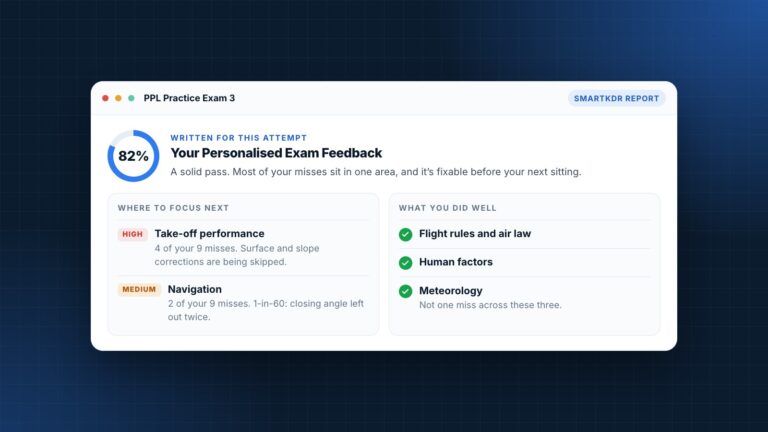
Introducing SmartKDR: a study guide written from your own exam
PilotTrain’s new report reads your answers when you finish a practice exam, and sets out what to revise first.
Read more Features15 November 2025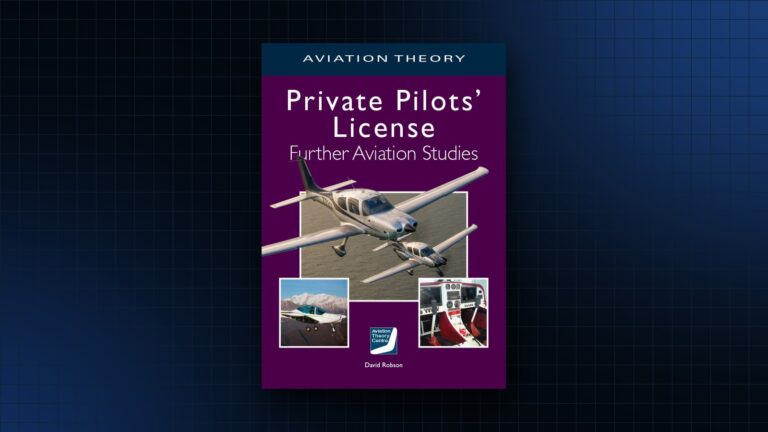
Inside Aviation Theory Centre’s New Private Pilot Licence Manual
Aviation Theory Centre’s new PPL manual goes beyond what you need to know, to what you should know.
Read more News1 July 2025
PilotTrain and Helitheory Partner for Better Helicopter Exam Preparation
PilotTrain and Helitheory are working together on practice exams written for helicopter students from the first question. The PPL(H) exams are live now.
Read more