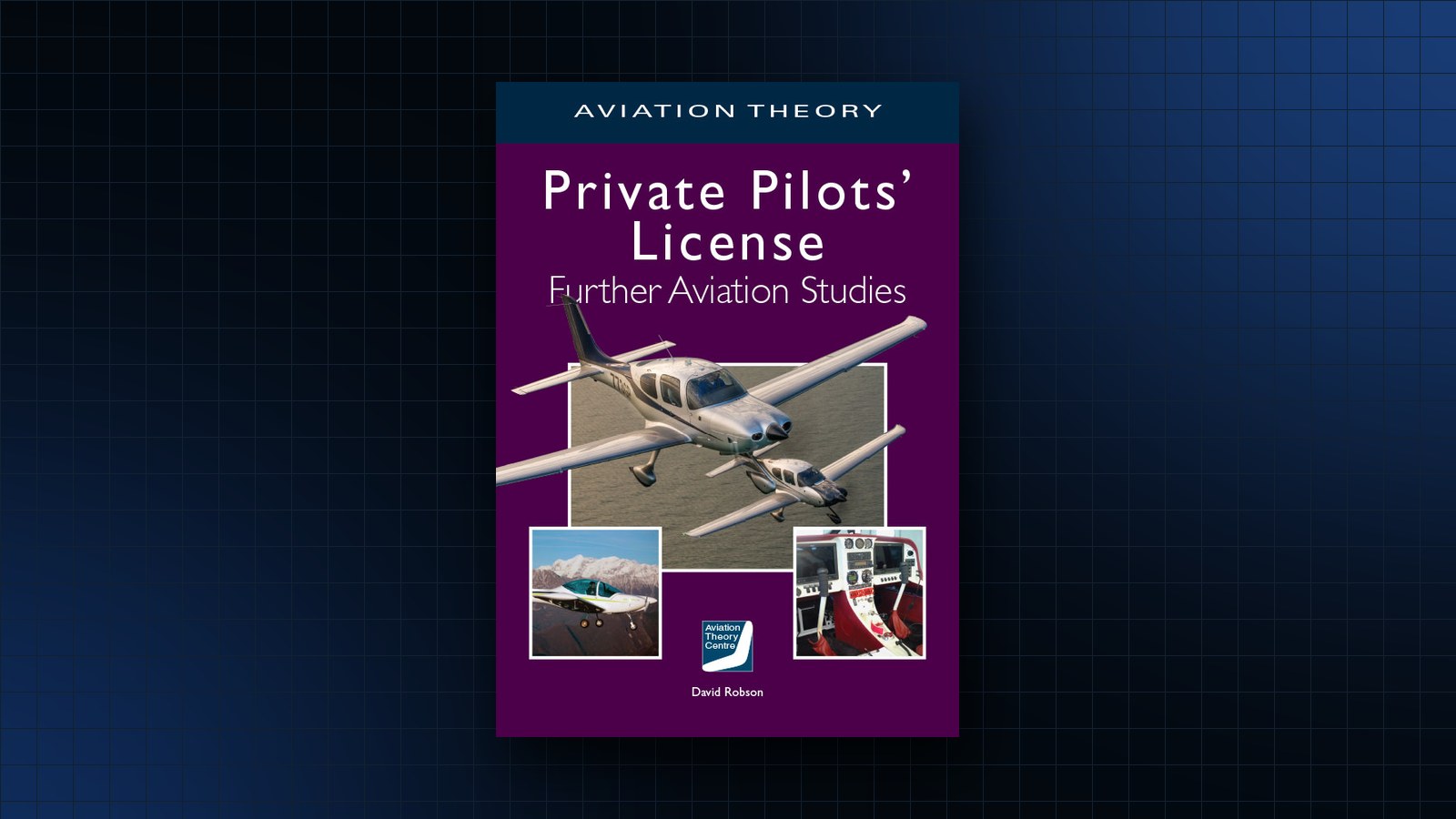
A theory manual has two readers. One is the student a few weeks from an exam, who wants to know what will be asked. The other is the same person a year later, in command of an aircraft, who needs to actually know it.
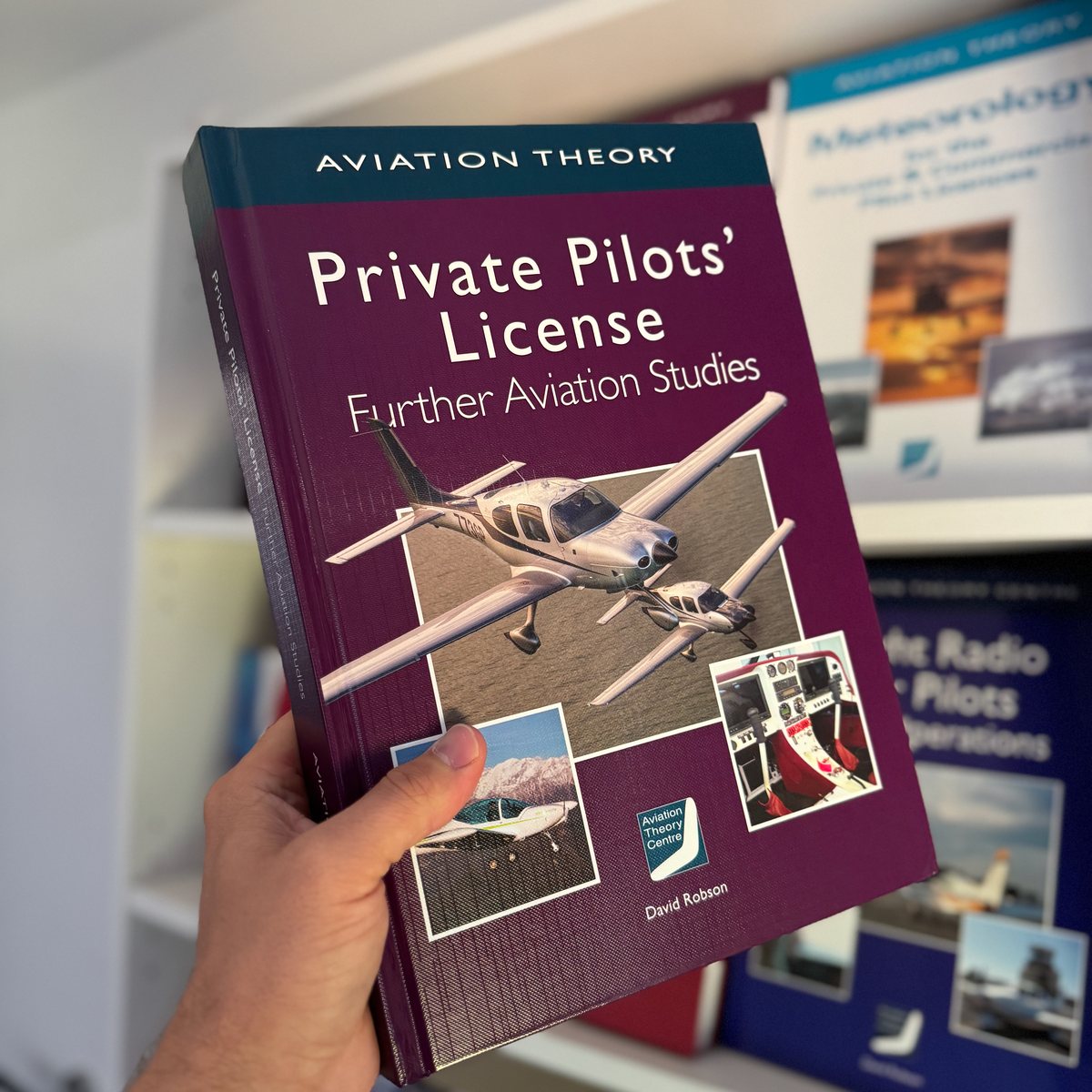
Most manuals are written for the first reader. Aviation Theory Centre’s new manual, Private Pilots’ License: Further Aviation Studies, released this month, sets out to serve both. PilotTrain founder Jonty Moss is an editor for Aviation Theory Centre, and edited the book.
Past the minimum
Every PPL manual has to cover what the Part 61 Manual of Standards requires, and this one does. The decision that shaped it was to keep going. In Aviation Theory Centre’s own words, it teaches you what you should know, not merely what you need to know.
The syllabus sets the floor, not the ceiling. The aim is to help pilots understand their aircraft, themselves, the airborne environment and real-world procedures in meaningful depth.
Four areas were strengthened in particular.
Meteorology. A private pilot has no dispatcher and no operations room. The decision to go, to divert or to turn back is theirs alone, usually made with less information than they would like. Decoding a forecast is an exam skill. Understanding the weather that produced it is a flying skill, and the manual gives it the room it needs.
Navigation. A private pilot plans and flies their own cross-country flights, often to places they have never been. The manual takes navigation past the mechanics of the flight computer to the planning, the checks in flight and the decisions that keep a pilot on track and ahead of the aircraft.
Human factors. Far more accidents begin with a decision than with a mechanical failure. The manual treats the pilot as a system to be understood, in the same way as the engine or the wing: its limits, its failure modes, and the conditions in which it stops performing.
Threat and error management. Threat and error management gives a pilot a habit: before and during every flight, ask what could go wrong here, and what will be done about it. It can be taught as a list of definitions. The manual works it into the way the other subjects are explained, so it is learned as a habit and not a chapter.
Each chapter closes with review questions, so a student can test their understanding as they go.
What editing a manual involves
It is slower work than it sounds. Every statement is checked against the current rules, because the rules move. Every explanation is read as a student would read it, looking for the sentence that can be taken two ways. Every diagram has to earn its place.
The test applied to each page was a simple one: could a student working alone, late at night, get through this without an instructor beside them?
Private Pilots’ License: Further Aviation Studies is available from Aviation Theory Centre as a hardcover and as a digital edition.
Put it into practice
Full-length practice exams with an explanation on every question, and SmartKDR to tell you what to study next. From $8.33 a month.
More from Editorial
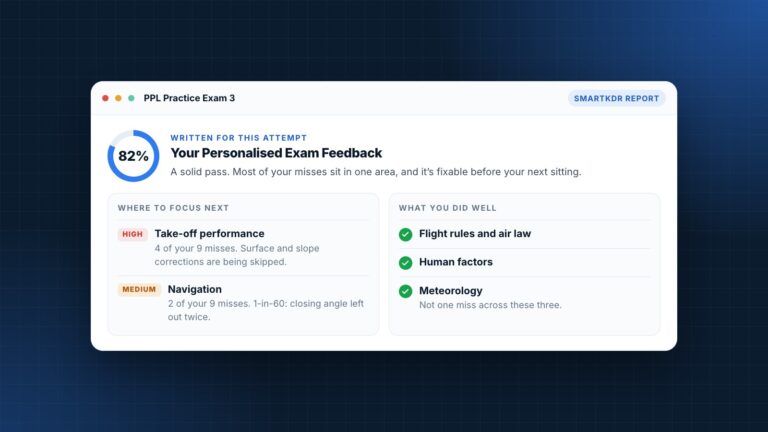
Introducing SmartKDR: a study guide written from your own exam
PilotTrain’s new report reads your answers when you finish a practice exam, and sets out what to revise first.
Read more News1 July 2025
PilotTrain and Helitheory Partner for Better Helicopter Exam Preparation
PilotTrain and Helitheory are working together on practice exams written for helicopter students from the first question. The PPL(H) exams are live now.
Read more Features28 June 2024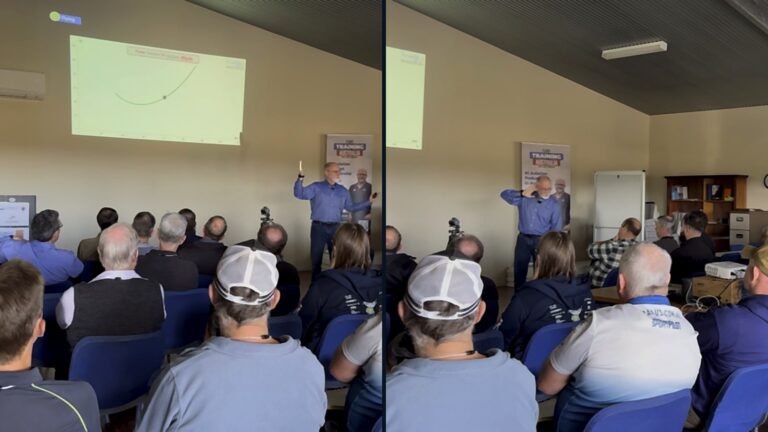
Why PilotTrain Backed UPRT: Inside the Caboolture Conference
Loss of control in flight has not gone away. This week’s UPRT conference at Caboolture is about what instructors can do about it, and PilotTrain is a sponsor.
Read more